







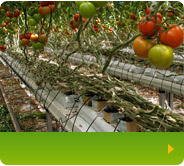
Hydroponic systems rely heavily on the choice of growing medium to deliver oxygen, water, and nutrients efficiently to plant roots. Among the many options available, perlite stands out as one of the most versatile and widely used hydroponic growing media.
This guide explains how perlite works in hydroponic gardens, its advantages and limitations, and when it can be considered one of the best growing mediums for hydroponics.

What Is Perlite and How Does It Work in Hydroponics?
Perlite is a naturally occurring volcanic mineral that expands when heated, forming lightweight, porous white granules. In hydroponic systems, perlite is valued for its excellent aeration, rapid drainage, and capillary action.
When saturated with nutrient solution, perlite draws water upward at a rate plants can readily use, helping maintain a balanced root environment without waterlogging. This makes it particularly effective in systems where oxygen availability is critical.
Benefits of Using Perlite in Hydroponic Gardens
Perlite offers several characteristics that make it highly suitable for hydroponic growing:
Excellent Oxygenation
The open structure of perlite allows large amounts of oxygen to reach plant roots, supporting vigorous root development and reducing the risk of root rot.
Balanced Water Retention
Perlite retains enough moisture for plant uptake while allowing excess solution to drain freely, helping prevent both overwatering and underwatering.
Neutral and Stable pH
Perlite is naturally neutral (around pH 7.0) and readily adopts the pH of the nutrient solution. This makes it compatible with most hydroponic crops without interfering with nutrient availability.
Easy Cleaning and Reuse
Unlike soil, coco coir, or rockwool, perlite does not bind strongly to nutrients. After use, it can be quickly cleaned by removing plant material and rinsing. For sterilization, perlite can be soaked in a mild bleach solution and thoroughly rinsed, allowing for efficient reuse between crop cycles.
Cost-Effective
Perlite is one of the most affordable hydroponic growing media available, making it suitable for both home growers and commercial operations.

Limitations of Perlite as a Hydroponic Medium
While perlite performs well in many situations, it is not ideal for every setup:
- It is very lightweight and may shift in systems with strong water flow
- It provides no inherent nutrient buffering
- Fine perlite dust requires rinsing before use
Understanding these limitations helps growers decide when perlite is the right choice and when another medium may be more appropriate.
Is Perlite the Best Growing Medium for Hydroponics?
Perlite can be considered one of the best growing mediums for hydroponics when growers need:
- High oxygen availability at the root zone
- Fast drainage with controlled moisture retention
- A reusable, low-maintenance medium
- A cost-effective option for large-scale production
It is especially well suited to fruiting crops such as tomatoes, cucumbers, capsicums, strawberries, blueberries, and eggplants, where strong root aeration supports higher yields.
Perlite Compared to Other Hydroponic Growing Media
Perlite vs Rockwool
- Perlite is easier to clean and reuse
- Rockwool retains more water but can oversaturate roots
- Perlite offers better long-term sustainability for repeated crop cycles
Perlite vs Coco Coir
- Coco coir retains more moisture and nutrients
- Perlite provides superior aeration and faster drainage
- Perlite is preferred in systems where oxygen availability is the priority
Perlite vs Clay Pebbles
- Perlite is lighter and less expensive
- Clay pebbles are more stable in high-flow systems
- Perlite offers finer root contact in grow bags and drip systems
Best Hydroponic Systems for Perlite
Perlite performs particularly well in:
- Drip irrigation systems
- Grow bags and slab culture
- Dutch bucket systems
- Commercial greenhouse hydroponics
Its structure supports consistent root-zone conditions across a wide range of climates, including warm growing environments.
Frequently Asked Questions About Perlite in Hydroponics
Can perlite be reused in hydroponics?
Yes. Perlite can be easily cleaned and sterilized, making it suitable for reuse across multiple growing cycles.
Does perlite affect nutrient pH?
No. Perlite is pH neutral and adopts the pH of the nutrient solution used.
Is perlite suitable for commercial hydroponic production?
Yes. Perlite is widely used in commercial hydroponic operations due to its consistency, affordability, and ease of handling.
Perlite Grow Bags for Hydroponic Production
Perlite is commonly used in grow bag systems for both residential and commercial hydroponics. These systems support uniform root development and efficient nutrient delivery for a wide range of crops.
Hydro-Perl Grow Bags are used extensively across Australia, including Melbourne and other major cities, in the production of tomatoes, strawberries, blueberries, eggplants, capsicums, cucumbers, gerberas, and roses.