







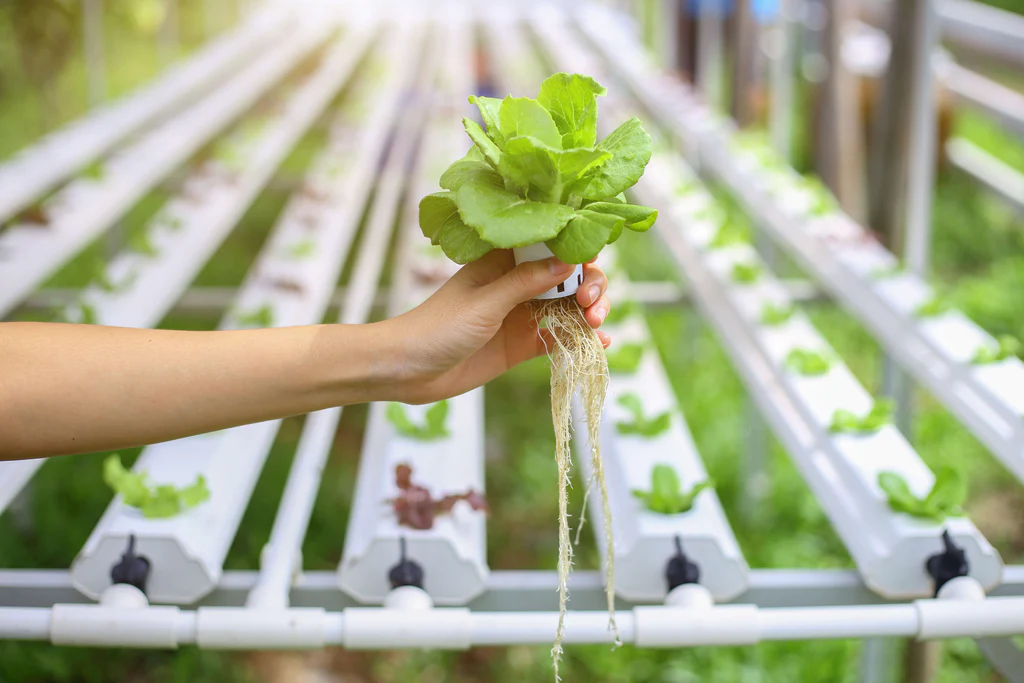
Hydroponic gardening is a modern method of growing plants without soil. Instead, plants grow in nutrient-rich water solutions that deliver essential minerals directly to the roots.
Because hydroponics requires less space and water than traditional gardening, it is ideal for urban homes, apartments, and indoor gardening setups.
This beginner guide explains how to start a hydroponic garden at home, the equipment you need, and practical tips to help your plants grow successfully.
What Is Hydroponic Gardening?
Hydroponic gardening is a technique where plants grow in water-based nutrient solutions instead of soil. The roots absorb nutrients directly from the water, which often leads to faster plant growth and higher yields.
Common benefits include:
- Uses up to 90% less water than traditional gardening
- Suitable for indoor and small-space environments
- Allows year-round plant growth
- Reduces soil-related pests and diseases
Hydroponics is widely used by home gardeners, commercial farms, and urban agriculture projects.
How to Start a Hydroponic Garden at Home (Step-by-Step)
Starting a hydroponic garden is easier than many beginners expect. Follow these steps to set up a simple system at home.
Step 1: Choose a Beginner-Friendly Hydroponic System
Some systems are easier for beginners to manage.
Popular beginner systems include:
Deep Water Culture (DWC)
Plants sit in a container of nutrient solution while an air pump supplies oxygen to the roots.
Kratky Method
A passive hydroponic system that does not require electricity or pumps.
Drip Hydroponic System
A pump slowly drips nutrients directly onto plant roots.
For beginners, Deep Water Culture or the Kratky method are usually the simplest starting points.
Step 2: Gather Essential Hydroponic Equipment
A basic hydroponic setup typically requires:
- Water reservoir or container
- Net pots or plant holders
- Air pump and air stone (for oxygen)
- Growing medium
- Hydroponic nutrient solution
- pH testing kit
- Grow lights (if growing indoors)
Many starter kits contain most of these components and make setup easier.
Step 3: Choose a Growing Medium
Since hydroponics does not use soil, plants need a support medium to stabilize their roots.
Common hydroponic growing media include:
Perlite
Lightweight volcanic material that provides excellent drainage and airflow.
Vermiculite
A mineral that retains moisture and nutrients effectively.
Litefill or expanded clay pellets
Provide root support and good oxygen circulation.
The best medium depends on the plants you plan to grow.
Step 4: Prepare the Nutrient Solution
Plants require a balanced mixture of nutrients to grow properly.
Hydroponic nutrient solutions typically contain:
- Nitrogen
- Phosphorus
- Potassium
- Calcium
- Magnesium
- Trace minerals
Mix the nutrient solution according to the manufacturer’s instructions and add it to your reservoir.
Step 5: Maintain Proper Water Conditions
Water quality plays a critical role in hydroponic gardening.
Important conditions to monitor include:
pH Level
The ideal hydroponic pH range is 5.5 to 6.5.
Water Temperature
Optimal water temperature is usually 18–22°C (65–72°F).
Oxygen Levels
Use an air pump or aeration system to keep oxygen levels high for healthy roots.
Regular monitoring ensures plants receive the nutrients they need.
Best Plants for Beginner Hydroponic Gardens
Some plants grow especially well in hydroponic systems and are ideal for beginners.
Easy hydroponic plants include:
- Lettuce
- Spinach
- Basil
- Mint
- Kale
- Green onions
- Cherry tomatoes
Leafy greens are often the easiest crops to start with because they grow quickly and require minimal maintenance.
Hydroponic Gardening Tips for Beginners
These tips can help improve success when starting your first hydroponic garden.
Start Small
Begin with a small system so you can learn how hydroponics works before expanding.
Monitor Nutrient Levels
Check nutrient concentrations regularly to ensure plants receive the right balance.
Provide Adequate Light
Indoor plants usually require 12–16 hours of light per day using LED grow lights.
Maintain Clean Equipment
Clean reservoirs, pumps, and containers regularly to prevent algae growth and contamination.
Check Plants Frequently
Look for signs of nutrient deficiencies, pests, or root problems.
Consistent monitoring helps maintain a healthy hydroponic system.
Common Hydroponic Gardening Mistakes
Many beginner challenges come from simple mistakes.
Avoid these common problems:
- Ignoring pH levels
- Overfeeding nutrients
- Poor lighting conditions
- Inadequate oxygen for roots
- Overcrowding plants
Correcting these issues early helps ensure strong plant growth.
FAQ: Hydroponic Gardening for Beginners
What is hydroponic gardening?
Hydroponic gardening is a method of growing plants without soil using nutrient-rich water solutions that deliver minerals directly to plant roots.
Is hydroponic gardening good for beginners?
Yes. Many hydroponic systems are simple to set up and require minimal space, making them ideal for beginners and indoor gardeners.
What plants grow best in hydroponic systems?
Leafy greens such as lettuce, basil, spinach, and kale are among the easiest plants to grow hydroponically.
Can hydroponic gardens be grown indoors?
Yes. Hydroponic systems are commonly used indoors with LED grow lights and controlled environments.
Is hydroponic gardening expensive to start?
A simple hydroponic setup can be relatively affordable. Small starter systems can often be created using basic containers, pumps, and nutrient solutions.
Start Your Hydroponic Garden with the Right Growing Media
Choosing the right growing medium is essential for hydroponic success. Materials such as perlite, vermiculite, and litefill provide plant support, maintain moisture, and improve oxygen circulation around roots.
If you are planning to build or expand your hydroponic garden, Exfoliators provides high-quality growing media designed for hydroponic systems. Our specialists can help you select the right materials to support healthy plant growth.
Contact Exfoliators to learn more about solutions for hydroponic gardening.